
Simon Whistler
Simon Whistler is one of the most widely watched voices in educational storytelling, reaching over 50 million viewers monthly across a network of more than a dozen YouTube channels, including Biographics, Highlight History, and Today I Found Out.
About Simon
Born in south-east England and now based in the Czech Republic, Simon built his career on making complex subjects genuinely accessible without sacrificing depth. His approach to storytelling goes beyond surface-level summaries, exploring the strategic logic, historical context, and human consequences that shape how ambitious ideas become real work.
Celestium is where that curiosity turns toward creative builds, unusual inventions, workshop systems, and the practical business choices behind projects that start small.
The Whistlerverse
MEGAPROJECTS
Deep dives into mankind's largest engineering achievements and infrastructure systems.
INVENTIONS / BUILDSSIDEPROJECTS
Focused explainers on smaller innovations, creative builds, practical tools, and overlooked breakthroughs.
GENERAL KNOWLEDGEBIOGRAPHICS
Biographical storytelling about notable figures, discoveries, and turning points.
HISTORYINTO THE SHADOWS
Darker historical stories and controversial episodes from modern history.
MYSTERIES / GEOGRAPHYDECODING THE UNKNOWN
Investigations into mysteries, unexplained claims, and speculative history topics.
MYSTERIES / GEOGRAPHYPLACES
Global geography and place-based storytelling across regions and cultures.
GEOPOLITICS / CONFLICTHOMEFRONTS
Geopolitics, modern conflict, military history, and the civilian and societal dimensions of global events.
SPACECELESTIUM
Accessible, visually rich explorations of space science and cosmic phenomena.
ENTERTAINMENT / GENERAL KNOWLEDGETODAY I FOUND OUT
General knowledge explainers spanning history, science, culture, and unusual facts.
ENTERTAINMENT / GENERAL KNOWLEDGEBRAIN BLAZE
Fast-paced comedic commentary on bizarre stories and internet oddities.
Celestium Dispatch
Weekly dispatch from Simon Whistler — engineering deep-dives, cost breakdowns, workshop build notes, and tools that actually pay off.
One issue per week. No filler.
Latest from Celestium
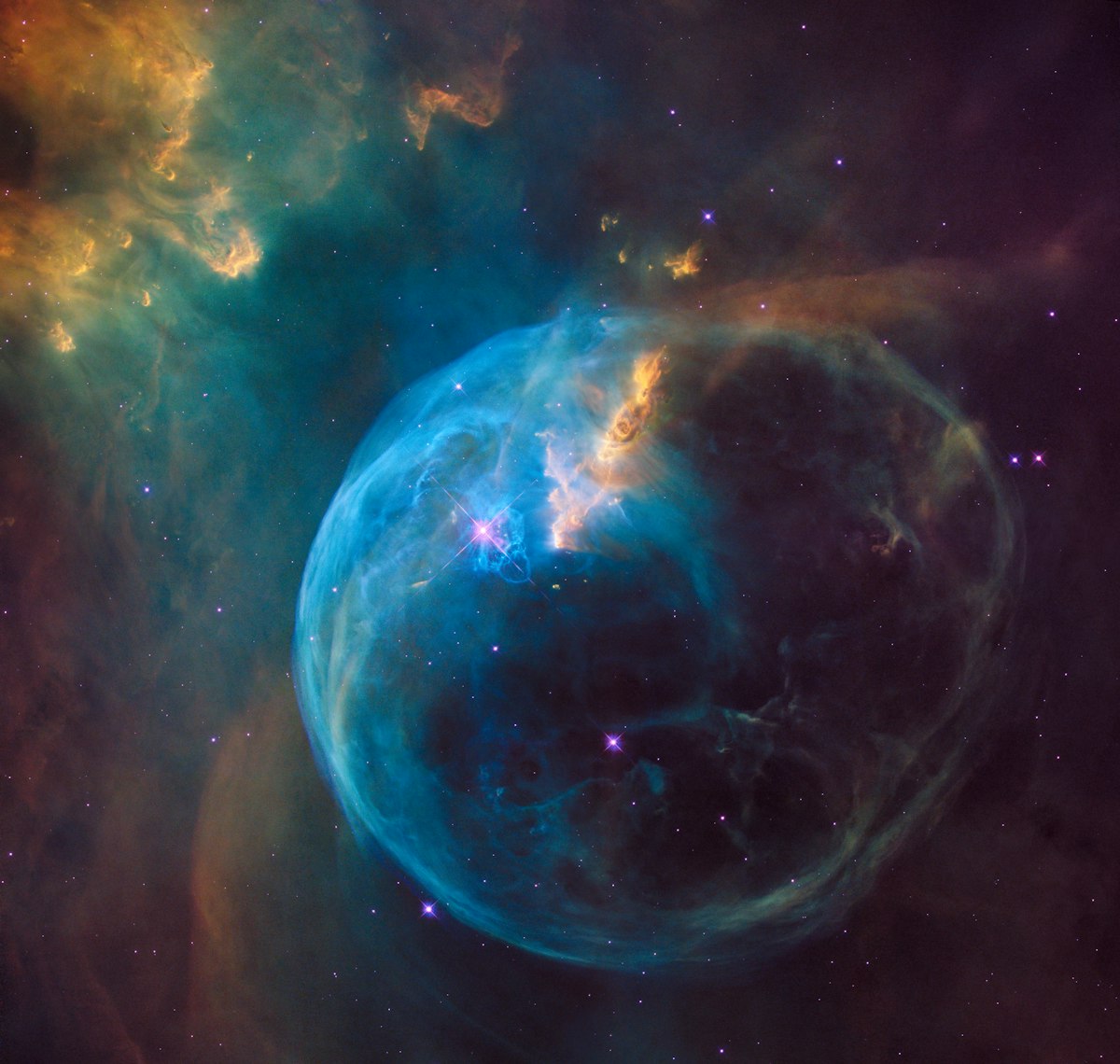
What Falling Into a Black Hole Actually Looks Like
You will not be ripped apart in an instant. You will not see a dark void. The reality of crossing an event horizon is stranger, more luminous, and in many ways more beautiful than the films have ever shown us.

The Engines That Could Reach Another Star
Proxima Centauri b is 4.24 light-years away. At Voyager 1's current speed, we would arrive in 73,000 years. The physics of getting there faster exists — just barely. Here are the engines that might actually make the journey possible.

The Pale Blue Dot, 35 Years On
On February 14, 1990, Voyager 1 turned its camera back toward Earth from 6 billion kilometres away. The photograph it took remains the most humbling image in human history. Thirty-five years later, what have we done with the lesson?